
Accent feature wall installation services in Raleigh and throughout Eastern North Carolina designed to create visual interest without structural changes.
When you want to change the feel of a room in your Raleigh area home without tearing down walls or adding square footage, an accent feature wall offers a way to introduce texture, color, and dimension. You might walk into your living room every day and notice how flat the space feels, even with furniture and lighting in place. A single wall treated with specialty finishes or materials can shift the entire balance of the room and draw attention exactly where you want it.
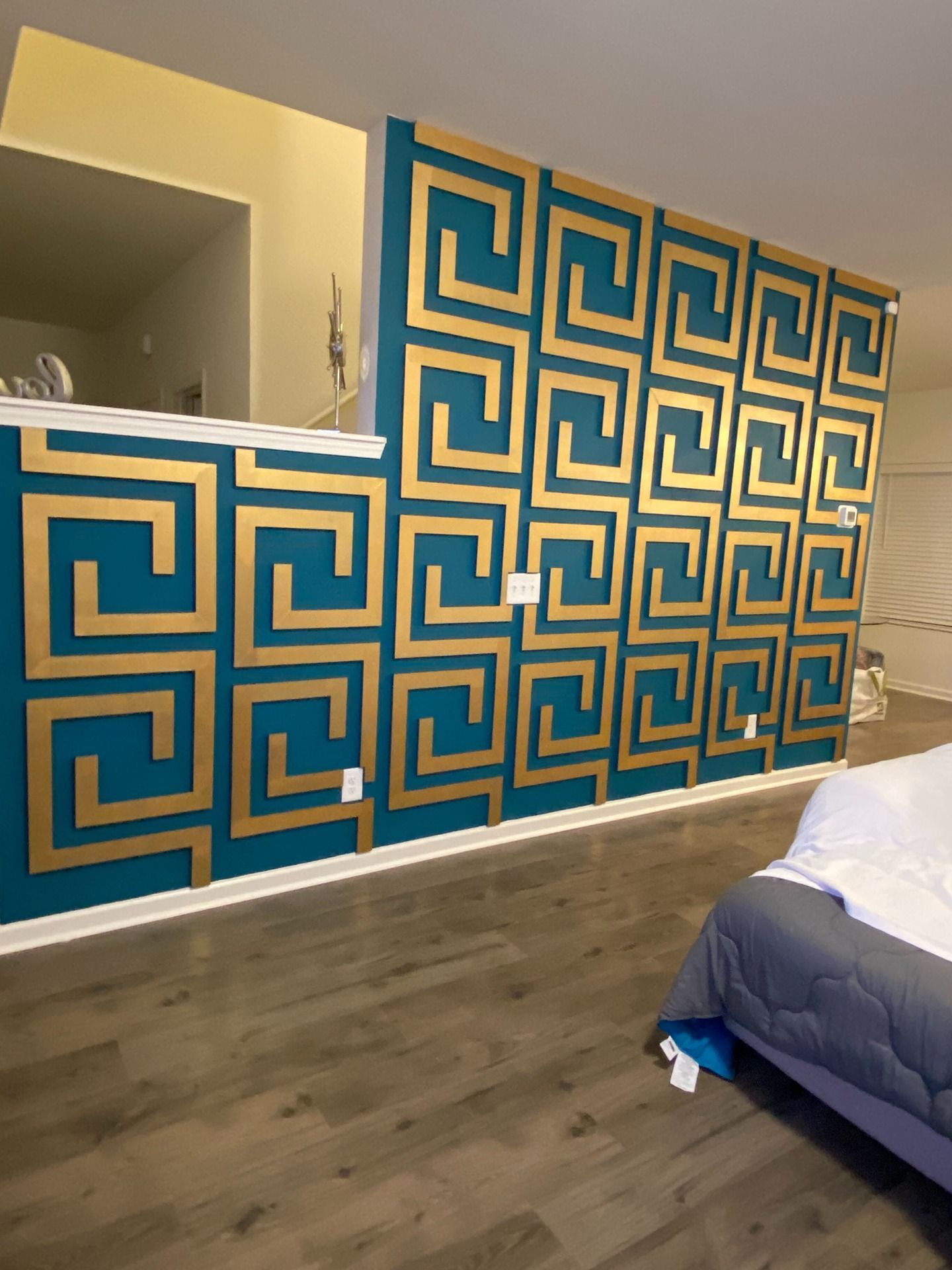
P&W Renovations and Design installs accent feature walls using a range of textures, finishes, and materials chosen to match the layout and style of the room. Each installation is tailored to how you use the space, whether that means a bold backdrop behind a bed, a textured panel in an office, or a focal point in an entryway. The work stays within the existing structure, so you get a noticeable design element without the time or cost of remodeling.
If you are ready to add visual interest to a room in your home in Raleigh, Wake Forest, Cary or a surrounding area, reach out to discuss how an accent wall can fit your space.
What happens during a feature wall install
The process starts with a walkthrough of the room in your Raleigh area home to identify which wall will serve as the focal point and what materials or finishes will work best with your lighting, furniture arrangement, and ceiling height. You discuss texture options, color direction, and whether the wall will include paneling, stone veneer, reclaimed wood, or a specialty plaster finish. The surface is prepped to ensure the material bonds correctly and the edges align with trim or adjacent walls.
Once the installation is complete, the wall stands out as a intentional design feature rather than a background surface. The room feels more structured, and your eye moves toward the accent wall instead of scanning the space without a clear focus. The change is immediate and visible the moment you step into the room.
The installation does not require moving plumbing, rerouting electrical, or adjusting floor plans. It works within the room as it exists. If the wall sits behind a television or fireplace, the materials are selected to complement those features rather than compete with them. The goal is to add depth and interest while keeping the room functional and balanced.
Questions that come up before starting
Homeowners usually want to know how the wall will hold up over time, what materials work best in certain rooms, and whether the feature will limit future changes to the space.
If you want to add dimension to a room in your Raleigh home without changing the layout, P&W Renovations and Design can walk you through material options and help you choose a wall that fits the space. Contact us to schedule a consultation and see what works for your home.